Riley Keller · 12 September 2026
How Specialized Platforms Aid in Optimizing Crawl Efficiency During Large-Scale Site Updates
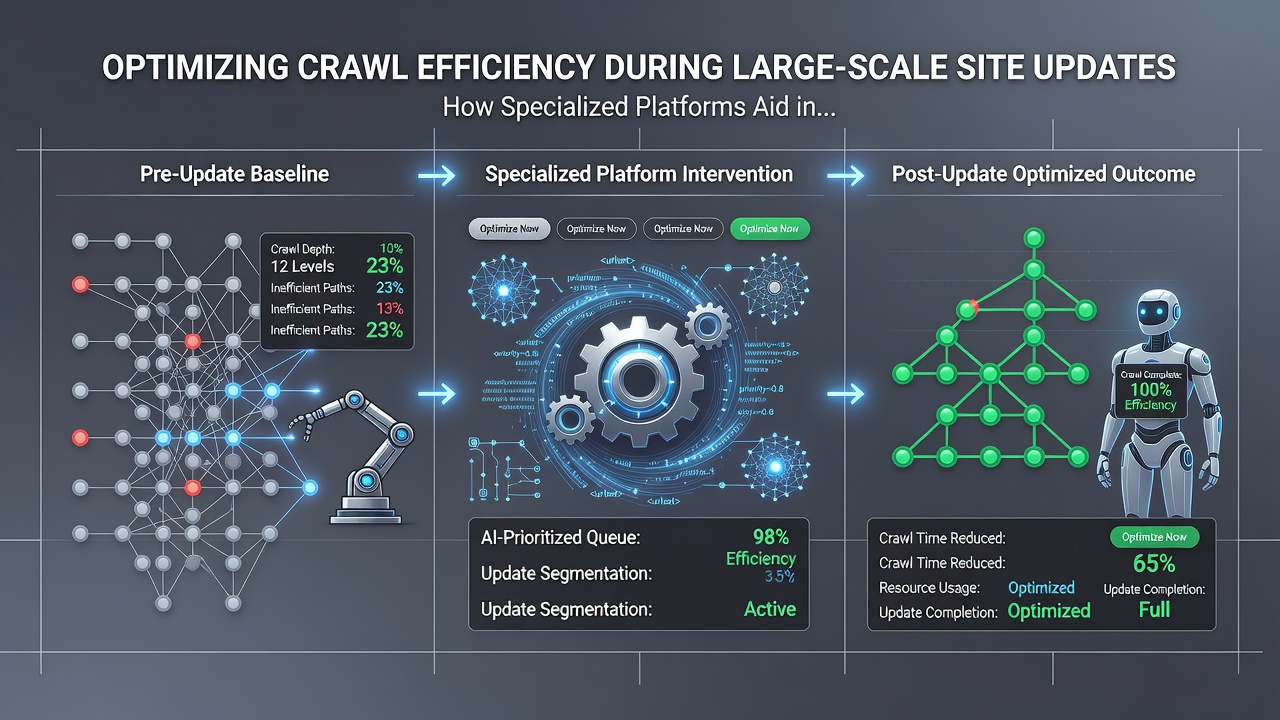
Specialized platforms have become essential for managing crawl efficiency when websites undergo extensive updates that involve thousands of URL changes, content migrations, or structural overhauls, and these tools process server log files to identify patterns in how search engine bots allocate their crawl resources across domains of varying sizes. Research indicates that platforms equipped with log analysis modules can detect under-crawled sections of a site within hours of an update rollout, allowing teams to adjust sitemaps and internal linking structures before efficiency drops compound across multiple pages.
Core Mechanisms Behind Crawl Optimization Platforms
These platforms integrate real-time monitoring of HTTP response codes with historical crawl data, and they generate prioritized URL lists that direct bot attention toward high-value sections first while deprioritizing duplicate or low-impact pages that might otherwise consume limited crawl quotas. Data from industry reports shows that sites using such systems during September 2026 migrations experienced faster re-indexation cycles compared to those relying solely on manual adjustments, because the software automatically flags parameter-heavy URLs and suggests canonical implementations that reduce redundant bot visits.
Advanced features include simulation modes that model crawl behavior under different update scenarios, and these simulations help teams forecast how changes to robots.txt directives or XML sitemap hierarchies will influence overall efficiency without risking live deployment issues. Observers note that integration with content management systems allows automatic updates to hreflang tags and pagination signals, which maintains crawl flow even when international site sections are restructured simultaneously.
Practical Applications During Major Site Changes
When organizations execute large-scale redesigns that touch navigation menus, category structures, and product databases at once, specialized platforms track shifts in crawl frequency by comparing pre-update and post-update log entries side by side. This comparison reveals whether new JavaScript-rendered elements are being processed correctly by search engine renderers or if they require additional server-side rendering adjustments to avoid indexing delays. One documented case involved a retail domain that used platform-generated alerts to correct over 12,000 broken internal links within the first week of launch, preserving crawl momentum across the entire catalog.
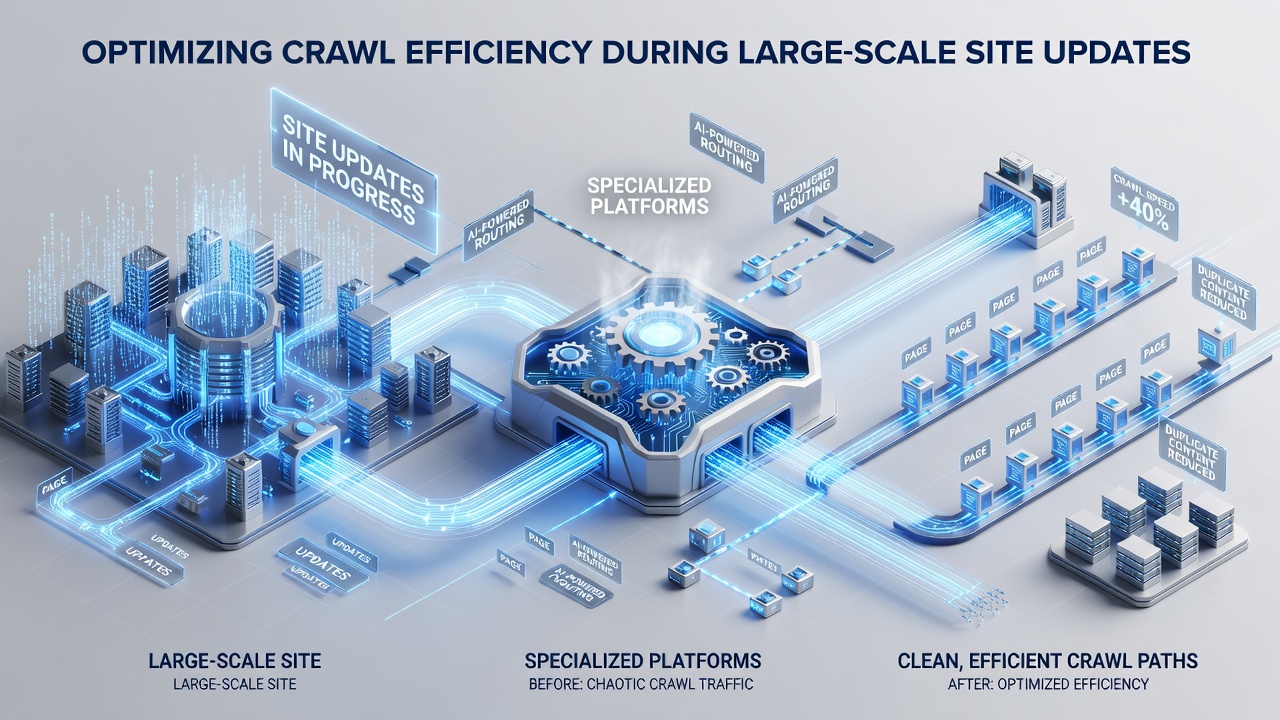
Platforms also facilitate targeted submission of updated URLs through integrated APIs connected to search engine consoles, and this direct channel bypasses slower discovery processes that occur when bots rely exclusively on natural link following. Evidence suggests that combining these submissions with log-verified crawl path optimizations leads to more consistent indexing rates, particularly for dynamic sites that regenerate content daily. Teams often configure threshold-based notifications so that any sudden drop in crawl requests to critical sections triggers immediate review of server response times or temporary blocks introduced during the update.
Integration with Broader Technical SEO Workflows
Specialized tools connect crawl data to other performance metrics such as page load speed and mobile rendering results, creating unified dashboards that highlight correlations between technical issues and reduced bot activity. According to analyses from research institutions across multiple regions, sites that incorporated these integrated views during 2026 updates reduced average time-to-index for new content by measurable margins because inefficiencies were addressed at the infrastructure level rather than through isolated fixes. The platforms support export of cleaned URL datasets that feed directly into development pipelines, ensuring that staging environments mirror production crawl conditions before final pushes occur.
Additional capabilities encompass historical trend analysis that compares crawl patterns across multiple update cycles, and this longitudinal view helps identify recurring bottlenecks such as excessive redirect chains or under-optimized internal link equity distribution. When platforms surface these patterns early, development teams can implement permanent architectural improvements that sustain efficiency gains beyond the immediate update period.
Conclusion
Specialized platforms continue to evolve their log processing and simulation capabilities to match the increasing complexity of modern site architectures, and their role in maintaining crawl efficiency during large-scale updates remains central to successful technical implementations. By delivering actionable insights derived from actual bot behavior rather than estimates, these systems enable precise interventions that keep indexing pipelines functioning smoothly across extended project timelines.